Rare & Very Rare Dermatological Diseases
Rare & Very Rare Dermatological Diseases
A structured diagnostic approach to complex, unusual and low-frequency dermatological conditions.
Rare dermatological diseases represent a broad and diverse group of conditions. Their diagnosis can be challenging because symptoms may overlap with more common skin disorders, clinical signs may evolve over time, and some conditions require correlation between the patient’s history, physical examination and specialised investigations.
The clinic’s proposed website structure places particular emphasis on the diagnostic evaluation of complex and unusual cases, careful review of previous examinations and multidisciplinary collaboration where required. The purpose of this page is to communicate that diagnostic focus without making absolute claims or suggesting that every unusual symptom represents a rare disease.
Specialized & Diagnostic Approach!
Patients with uncommon or difficult-to-classify skin conditions may have already undergone previous consultations, investigations or treatment. A fresh assessment can therefore involve more than examining the current skin findings. The broader clinical history, evolution of symptoms, previous diagnoses, response to treatment and available test results may all contribute to the diagnostic process.
When appropriate, additional laboratory investigation, histopathology, genetic assessment or collaboration with another medical specialty may be considered. The exact pathway depends on the clinical presentation and is determined individually.
The Evaluation May Included:
- Detailed medical and dermatological history
- Careful clinical examination and documentation of skin findings
- Review of previous diagnoses, treatments, laboratory results and pathology reports
- Dermoscopy or other dermatological examination techniques when appropriate
- Laboratory or histopathological investigation when clinically indicated
- Consideration of inherited, autoimmune, inflammatory, blistering, keratinisation or metabolic disorders
- Referral for genetic or other specialised assessment when appropriate
- Multidisciplinary collaboration with other medical specialties where required
- Individualised follow-up and monitoring in selected cases
Examples Of Rare Dermatological Conditions!
The conditions below are examples of recognised rare dermatological diseases and disease groups. They are included as possible website bullet points for discussion with the doctor. Their inclusion should not be interpreted as a claim that the clinic specialises in, diagnoses or treats every condition listed; the final list should be approved by Dr. Stelios Mina before publication.
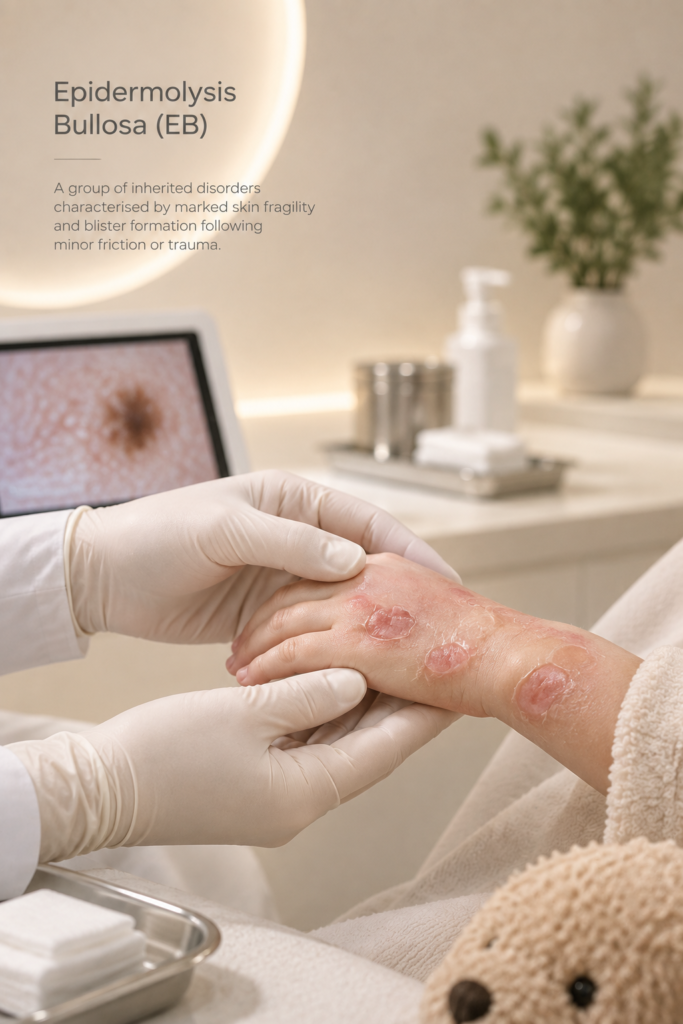
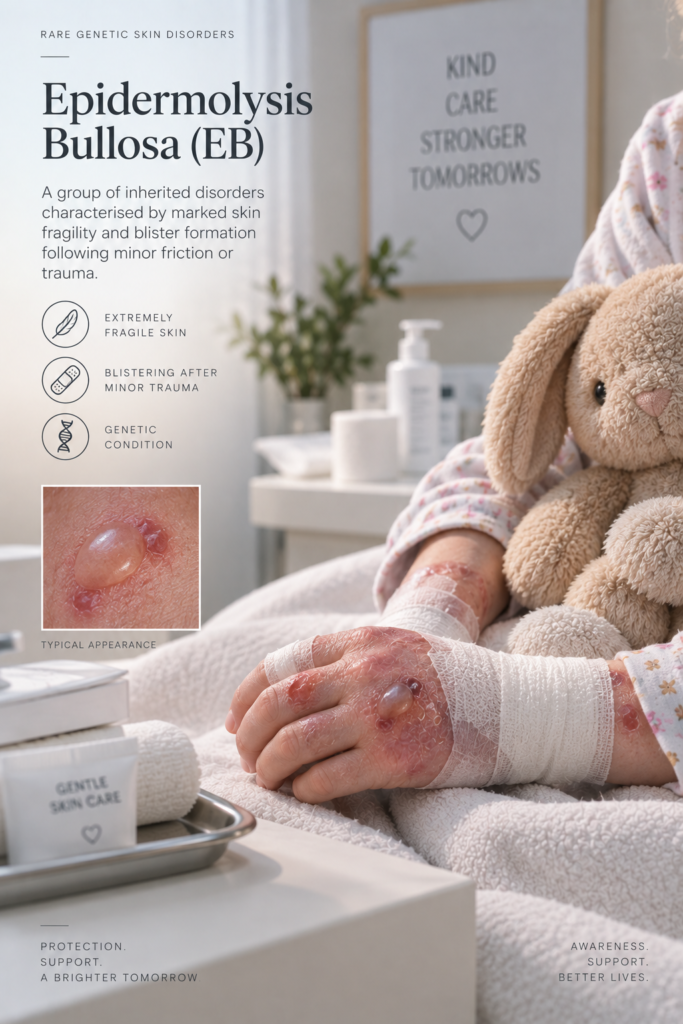
- Epidermolysis Bullosa (EB): A group of inherited disorders characterised by marked skin fragility and blister formation following minor friction or trauma.
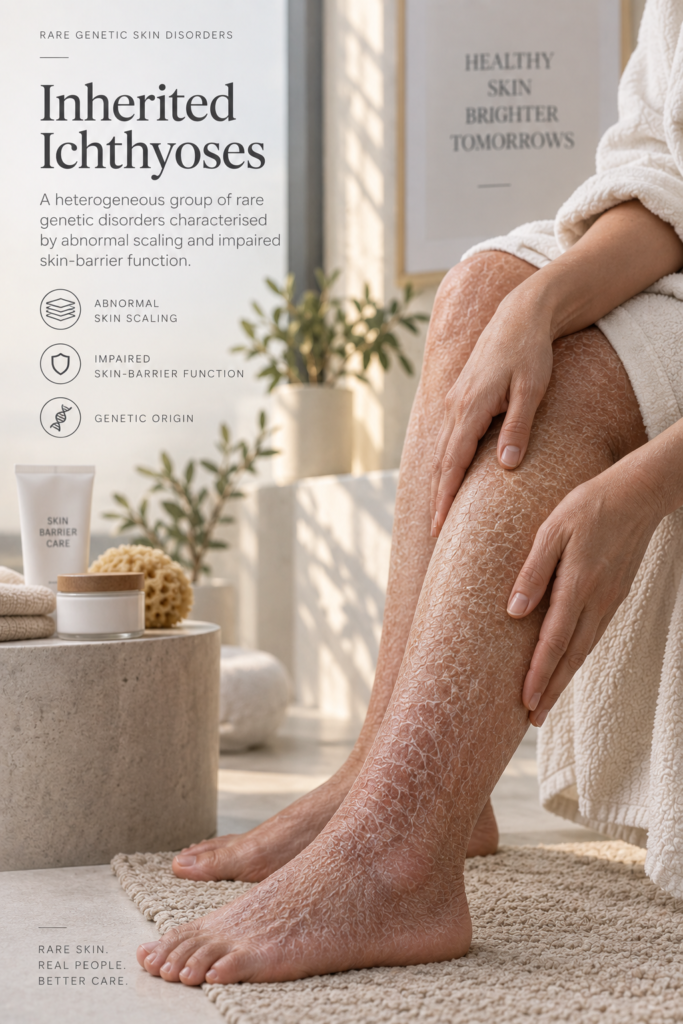
- Inherited Ichthyoses: A heterogeneous group of rare genetic disorders characterised by abnormal scaling and impaired skin-barrier function.
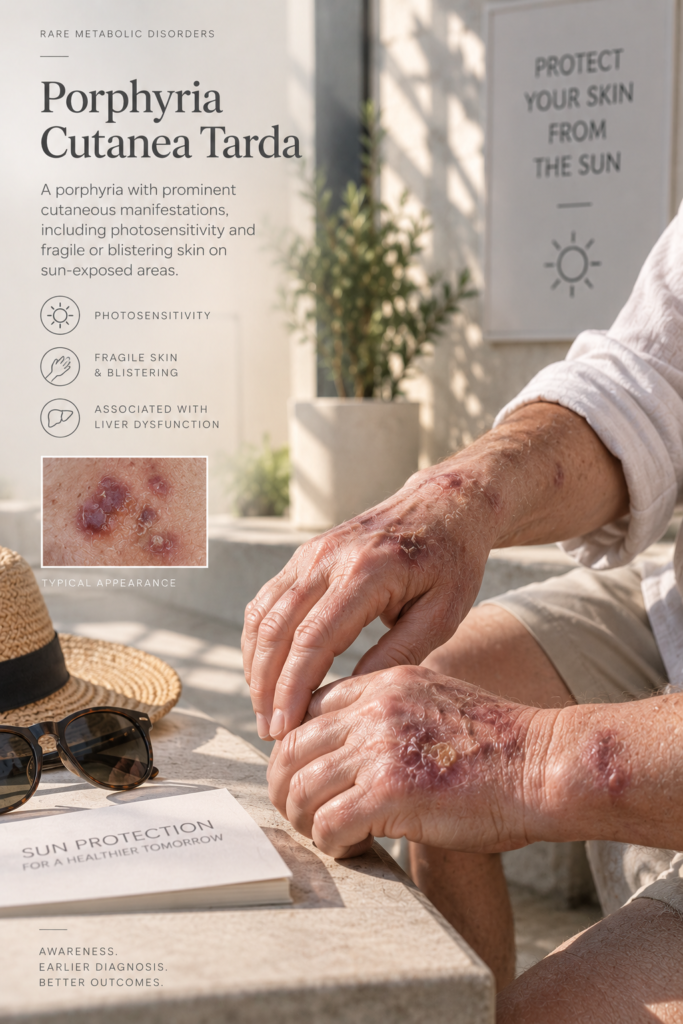
- Porphyria Cutanea Tarda: A porphyria with prominent cutaneous manifestations, including photosensitivity and fragile or blistering skin on sun-exposed areas.
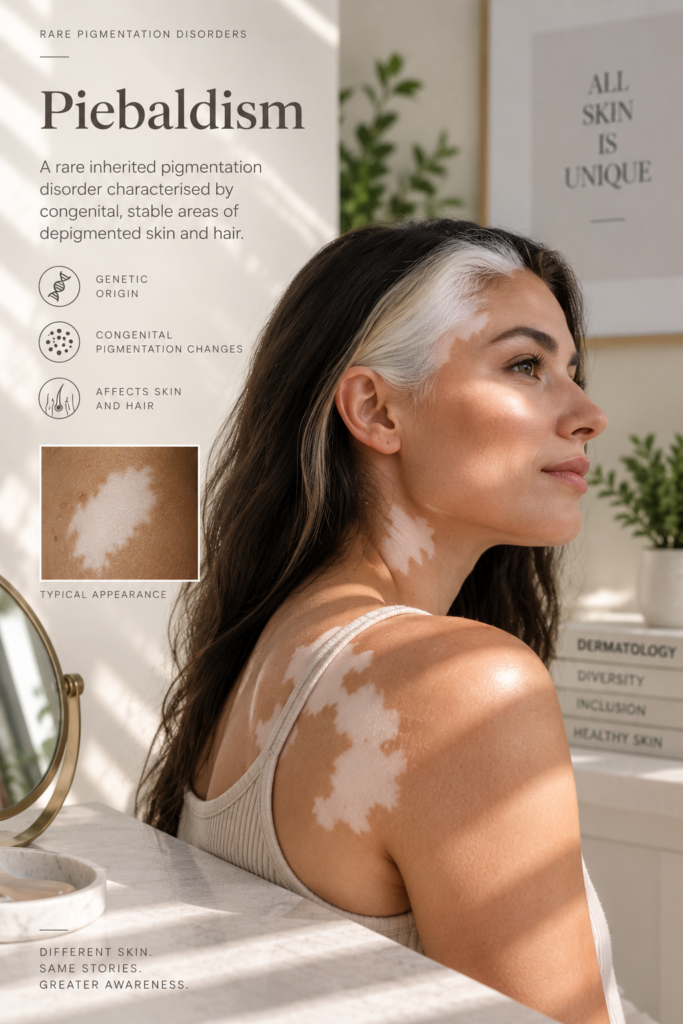
- Piebaldism: A rare inherited pigmentation disorder characterised by congenital, stable areas of depigmented skin and hair.
- Rare Autoimmune Blistering Diseases: A broader group that includes uncommon disorders in which the immune system targets structural components of the skin or mucous membranes.
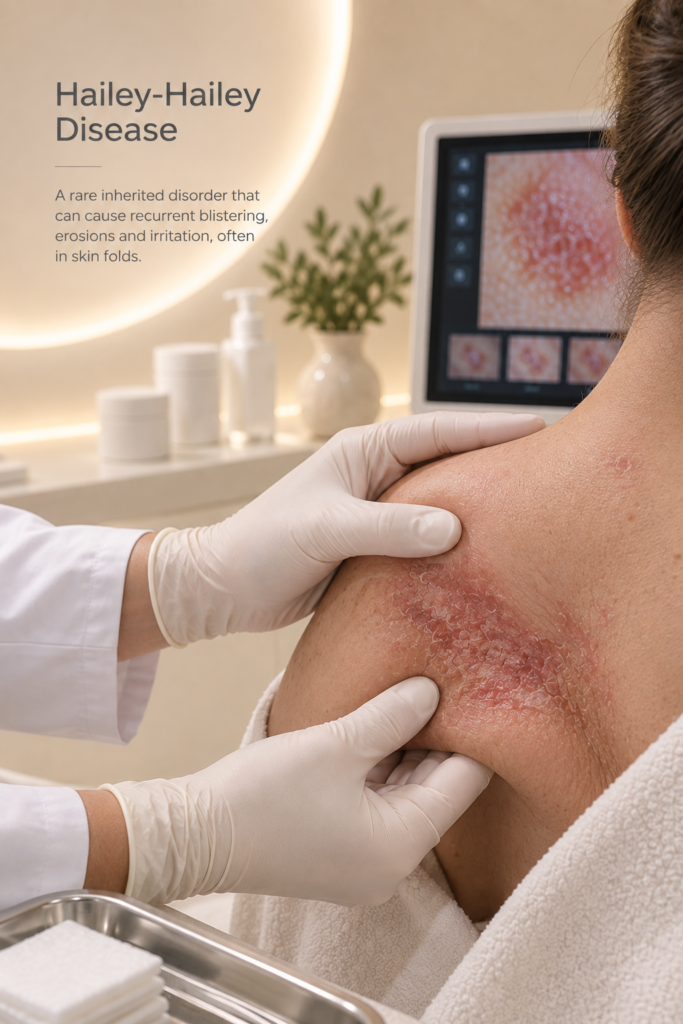
- Hailey-Hailey Disease: A rare inherited disorder that can cause recurrent blistering, erosions and irritation, often in skin folds.
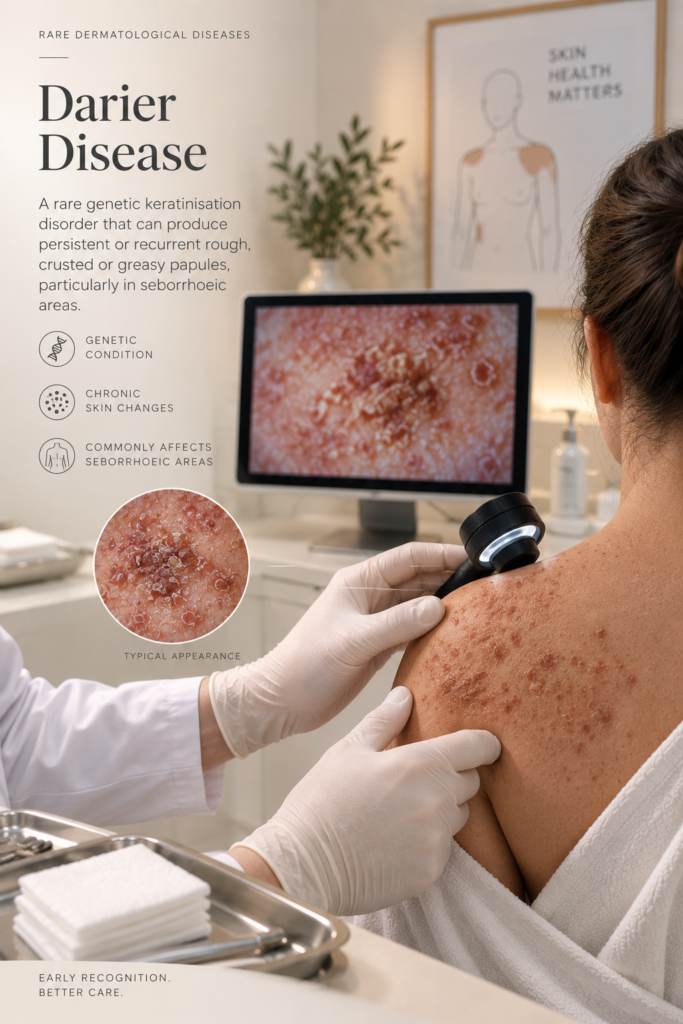
- Darier Disease: A rare genetic keratinisation disorder that can produce persistent or recurrent rough, crusted or greasy papules, particularly in seborrhoeic areas.
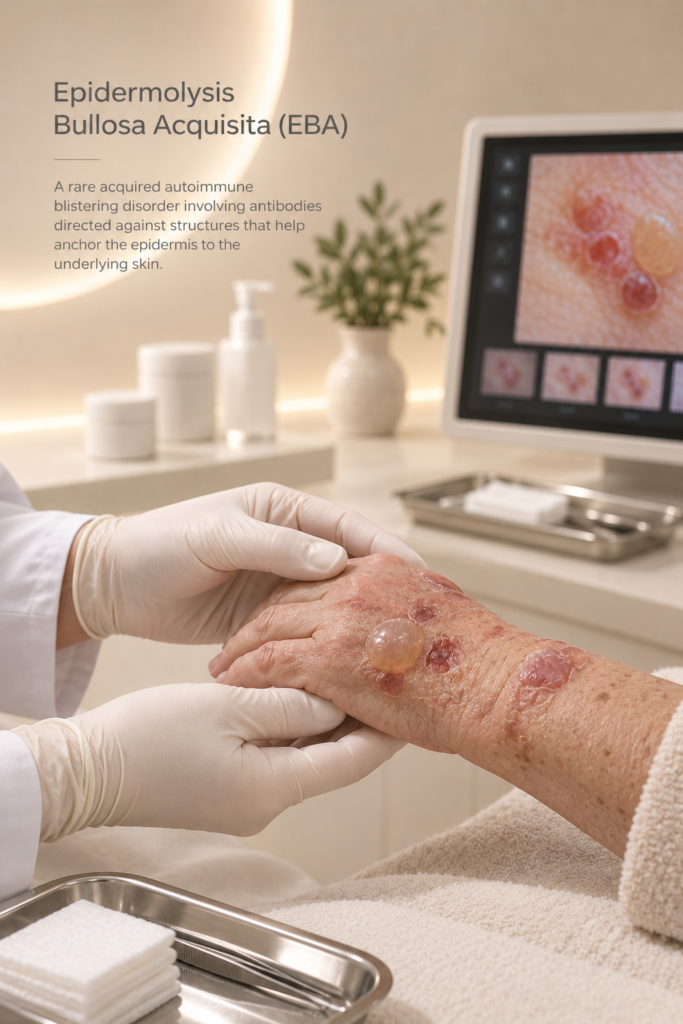
- Epidermolysis Bullosa Acquisita (EBA): A rare acquired autoimmune blistering disorder involving antibodies directed against structures that help anchor the epidermis to the underlying skin.
When The Diagnosis Is Not Straight Forward!
A persistent, recurrent or unusual skin problem does not necessarily indicate a rare disease. Common disorders can sometimes present atypically, and several unrelated conditions may share similar clinical features. For this reason, the diagnostic process should begin with the patient’s complete clinical picture rather than with a predetermined diagnosis.
Where the findings suggest that further investigation is necessary, the next steps can be selected according to the suspected condition. In complex cases, collaboration across specialties may help integrate dermatological findings with systemic symptoms, laboratory abnormalities or inherited disease patterns.
Individual Medicalized Assestment!
Every case requires individual evaluation. Information presented on the website can help patients understand the clinic’s diagnostic approach, but it cannot determine whether a particular symptom is caused by a rare condition. Diagnosis and management require direct medical assessment and, where appropriate, targeted investigation.
Editorial Note Before Publication!
The supplied clinic documents describe experience with rare and very rare dermatological diseases but do not name specific conditions. The example disease list in this draft was added from external medical reference material and should be reviewed and approved by Dr. Stelios Mina before it is published as part of the clinic’s claimed expertise.
Reference Basis For The Example List!
- American Academy of Dermatology (AAD) – dermatological diseases and skin-cancer educational resources.
- Orphanet – rare-disease classification and disease information used to identify recognised rare dermatological conditions.
- Clinic structure documents supplied for the website – diagnostic emphasis, complex cases, review of previous investigations and multidisciplinary collaboration.